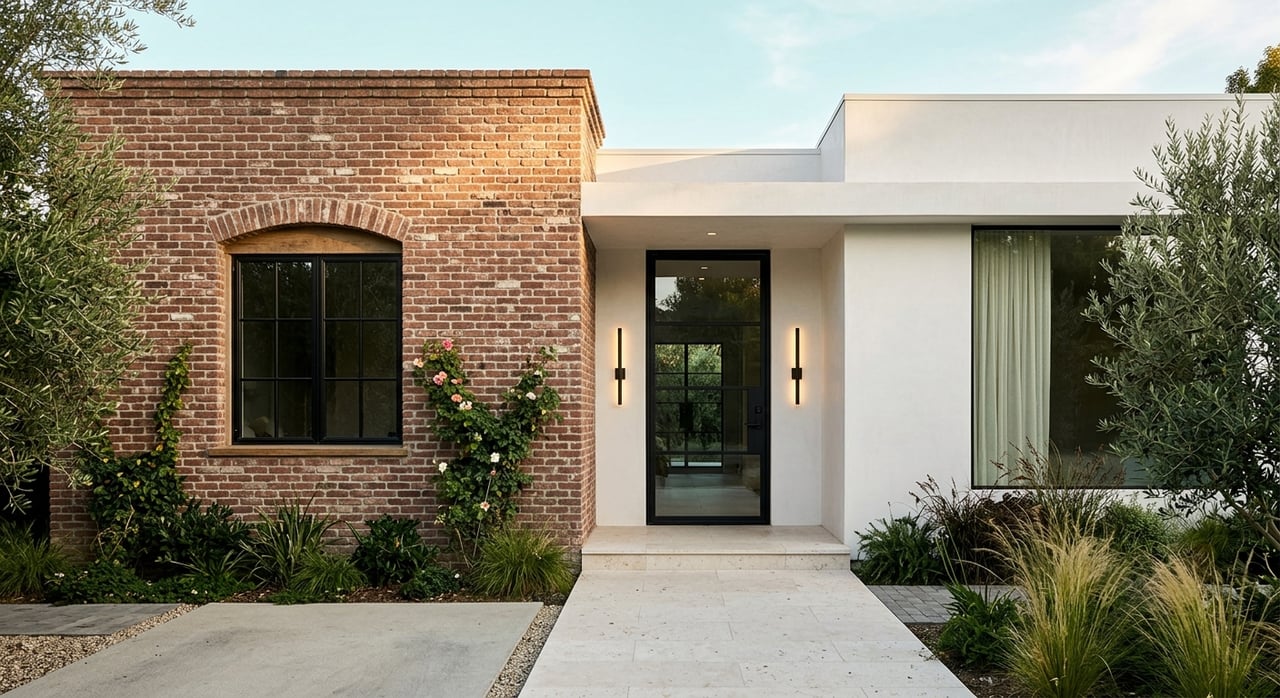
If you are deciding between a historic home and a newer build in Winter Park, you are not just comparing square footage or finishes. You are choosing between two very different ownership experiences in one of Central Florida’s most distinctive housing markets. Understanding how each option fits your lifestyle, maintenance comfort, and long-term goals can help you buy with more confidence. Let’s dive in.
Why this choice matters in Winter Park
Winter Park has a strong historic identity, and that shapes the housing conversation in a real way. The city describes itself through old-world charm, lakes, brick streets, and a substantial tree canopy, and it has recorded more than 700 historic structures. According to the city, that represents about 7% of residential dwellings.
That means historic homes are not a rare side category here. They are part of the city’s character and daily streetscape. Newer homes, by contrast, are often introduced through infill or replacement construction within an already established urban setting.
What historic homes offer
Historic homes in Winter Park often appeal to buyers who want architecture with presence and a setting that feels established from day one. The city’s preservation materials point to late-1800s grove houses, winter cottages, and many neighborhoods shaped during the 1920s Florida Land Boom. These homes range from large estates to smaller bungalow-style residences.
You will also see architectural styles that are closely tied to Winter Park’s identity. City surveys identify bungalows, Colonial Revival homes, and Mediterranean Revival buildings as major historic styles in the area. For many buyers, that design authenticity is hard to duplicate in modern construction.
Character you can feel
One of the biggest draws of a historic home is the sense of place. Mature lots, older trees, established streetscapes, and original architectural details create a setting that feels layered and unique. In many cases, those qualities are part of what makes a Winter Park address so appealing.
Historic homes may also include materials and features the city encourages owners to preserve, such as heart pine floors, cypress paneling, built-ins, and original fixtures. If you value craftsmanship and details that tell a story, an older home may feel especially rewarding.
Historic areas shape the experience
Winter Park’s mapped historic areas include College Quarter, East Virginia Heights, Downtown, Interlachen, and citywide historic-district areas. The Downtown Winter Park Historic District is listed on the National Register of Historic Places and is recognized by the city for its importance in early settlement, architecture, planning, commerce, and transportation.
For a buyer, that can mean your home is connected to a broader neighborhood pattern, not just an individual lot. The home, the block, and the surrounding architecture often work together to create a consistent visual identity.
What newer homes offer
Newer homes in Winter Park tend to deliver a different kind of value. In a city that is already largely built out, planning documents show that much of the newer housing supply is expected to come through infill. In simple terms, that means building on scattered vacant sites or replacing older structures within established areas.
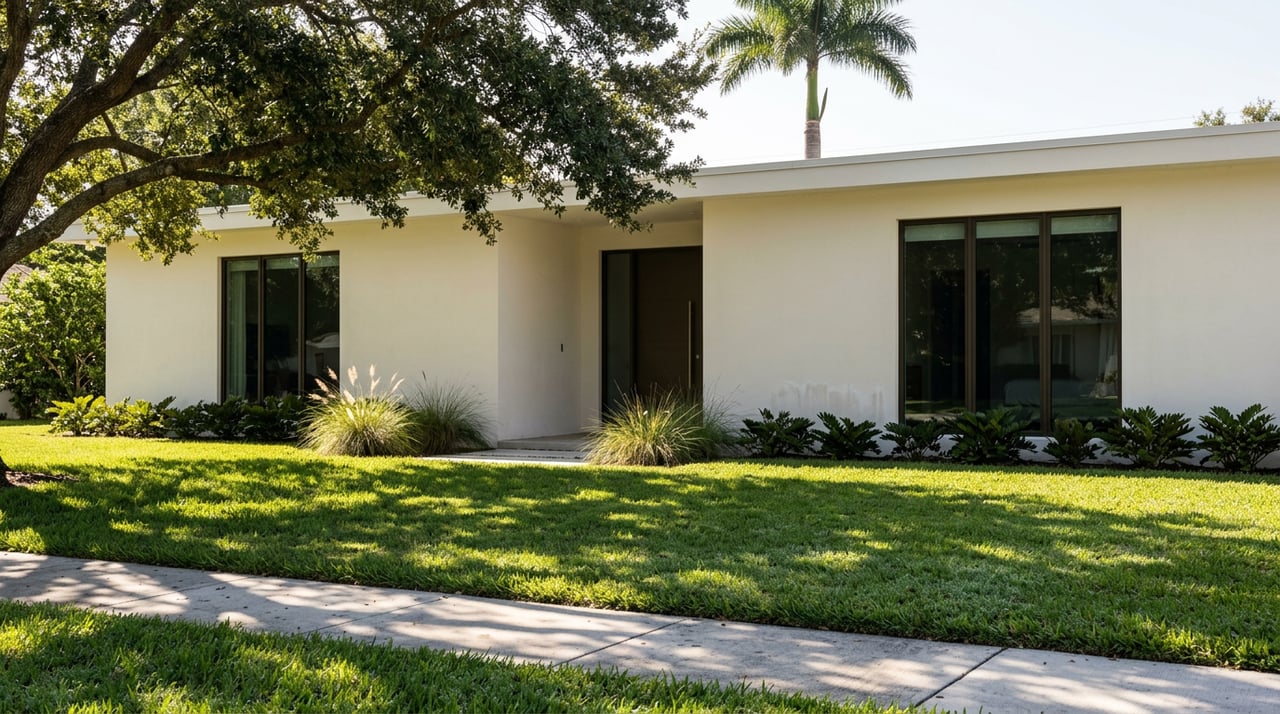
Because of that, newer homes in Winter Park are often not suburban tract homes in large new subdivisions. They are more likely to be context-aware homes placed within existing neighborhoods. That can give you a newer layout and newer systems while still keeping you close to the character and convenience that draw people to Winter Park in the first place.
Modern function and code-current construction
For many buyers, the strongest case for a newer home is predictability. Newer construction is built under the current Florida Building Code, which the city notes took effect on December 31, 2023. That does not eliminate maintenance, but it can reduce the likelihood of immediate large-scale updates compared with an older property.
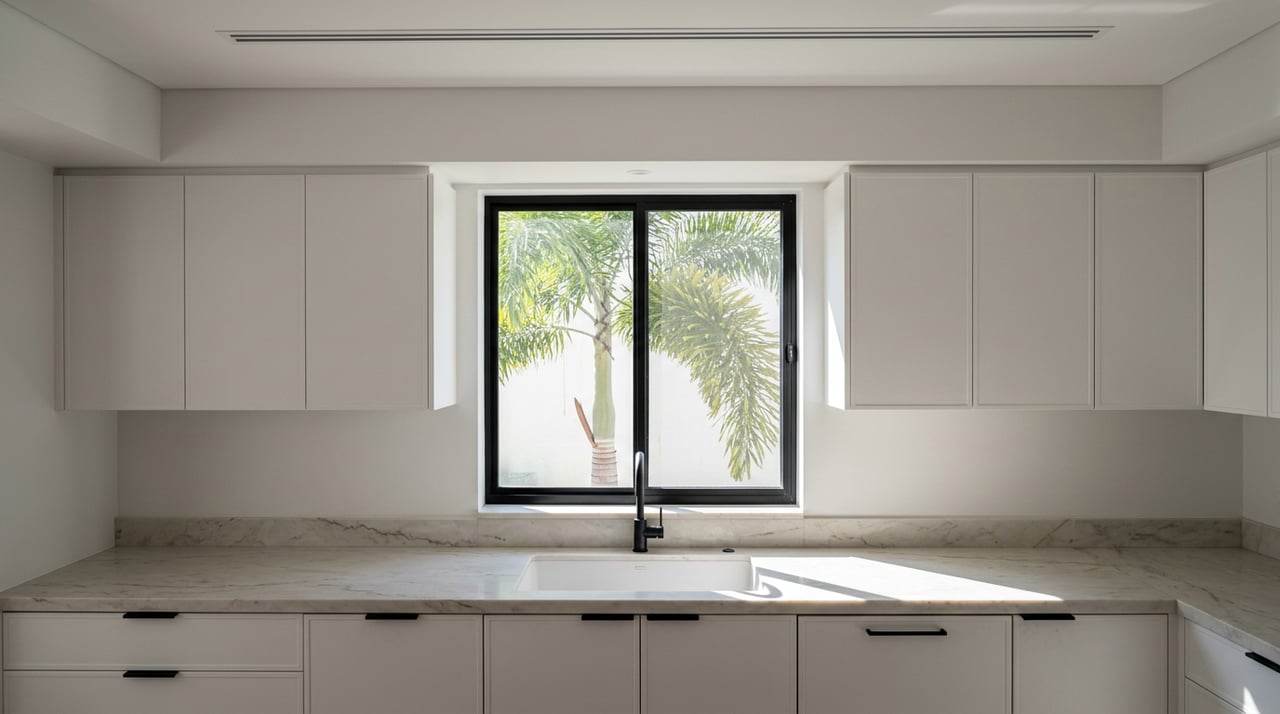
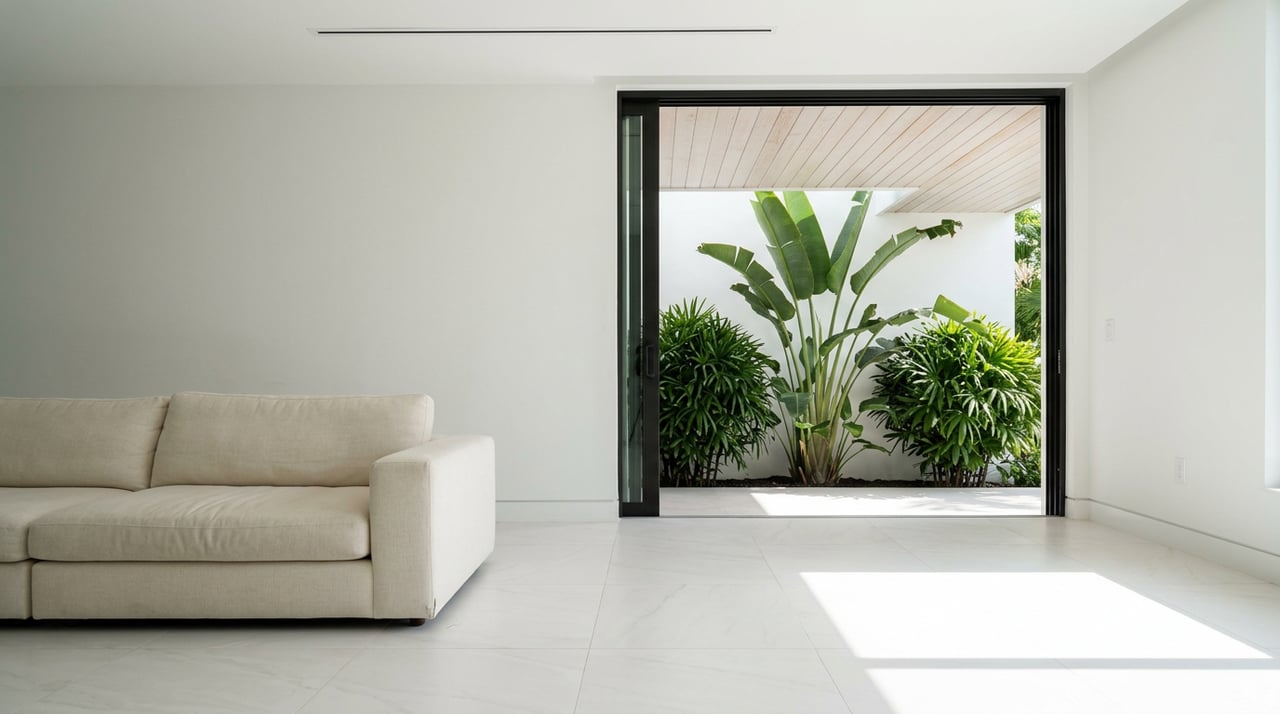
Newer homes also tend to support the way many buyers live today. You may find more open layouts, more contemporary kitchens and baths, and a more streamlined approach to daily living. The trade-off is that you will usually get less original architectural detail and fewer historic materials.
New homes still need to fit Winter Park
In Winter Park, new construction in a historic district does not need to copy older architecture exactly. However, the city says it must complement the traditional pattern of the district. That includes factors like height, materials, roof form, massing, setback, and the rhythm of openings.
This matters because many newer homes here are designed to feel current without ignoring their surroundings. If you want a cleaner, more modern aesthetic but still care about neighborhood context, that balance may be especially attractive.
Maintenance and ownership realities
The difference between historic and new homes often becomes most clear after closing. Day-to-day ownership can look very different depending on the age and condition of the property.
Historic homes generally call for more attentive maintenance planning, especially in Florida’s humid climate. UF/IFAS notes that drywood termites commonly infest older homes, while dampwood termites are associated with moist or decaying wood, roof leaks, rainfall exposure, sprinkler irrigation, and high humidity.
That does not mean every older home will have these issues. It does mean you should go in with a practical mindset and a realistic maintenance budget. Inspections, pest prevention, moisture management, and possible system updates are all important parts of due diligence.
What to watch with historic homes
If you are considering a historic home, pay special attention to:
- Roof condition and evidence of leaks
- Signs of moisture intrusion or wood decay
- Pest history and prevention measures
- Age and condition of electrical, plumbing, and HVAC systems
- Exterior elements that may be subject to preservation review
For designated historic properties, the city does not review interior remodeling. Still, it encourages preservation of original materials and features. Exterior additions and changes must remain compatible with the existing architecture, and character-defining elements should not be altered, destroyed, or obscured.
What to expect with newer homes
Newer homes can feel simpler to manage in the near term, especially if your goal is fewer immediate projects. Winter Park’s inspection information highlights the detailed review of setbacks, roof height, wind-uplift connectors, truss engineering, and plumbing, HVAC, and electrical requirements for new construction and major alterations.
That kind of code-based framework can give buyers added confidence in the structure and systems. Even so, it is still wise to review permits, construction quality, and any builder or contractor documentation available.
Remodeling flexibility is not the same
If you like to personalize a home, this is one of the most important parts of the decision. Historic and newer homes can differ sharply when it comes to renovation flexibility.
Winter Park states that historic designation is an overlay, not a zoning change. The city also notes there are no designation fees and that designation itself is not a factor in property valuation. Even so, some historic properties may be nonconforming to current code, and additions or exterior changes may require variances or review by the Historic Preservation Board.
That can affect how easily you expand the footprint, shift setbacks, or alter the exterior envelope. If you already know you want a major addition or a dramatic exterior redesign, you will want to study those constraints early.
Resale and long-term value
Both historic and newer homes can be strong resale options in Winter Park, but they often appeal to different buyers. Knowing which future buyer you are likely to attract can help you make a smarter purchase today.
The city says preservation helps maintain property values because buyers value authentic character and the stability created by protective measures. In other words, the features that make historic homes special can also support their long-term appeal.
Newer homes may attract buyers who prioritize lower near-term maintenance, code-current construction, and more contemporary floor plans. Historic homes may attract buyers who care more about architectural authenticity, established streetscapes, and the identity of the neighborhood itself.
How to choose the right fit
The best choice usually comes down to how you want to live, not which category sounds better on paper. Winter Park offers compelling reasons to choose either path.
A historic home may be the better fit if you value:
- Original architectural details
- Mature lots and established streetscapes
- A strong sense of neighborhood identity
- The experience of owning a home with history
A newer home may be the better fit if you prioritize:
- Code-current construction
- Fewer immediate repair or update projects
- More contemporary layouts
- A more predictable maintenance path in the near term
For many buyers, the right answer is not purely emotional or purely financial. It is about balancing character, upkeep, flexibility, and future plans in a way that supports your lifestyle.
If you are weighing historic versus new homes in Winter Park, a careful, block-by-block strategy matters. The right guidance can help you look beyond surface finishes and focus on condition, context, ownership costs, and resale logic. When you are ready for a thoughtful local perspective, connect with Johanna DiVirgilio for a polished and personalized buying experience.
FAQs
What makes a home historic in Winter Park?
- Winter Park has mapped historic areas and has recorded more than 700 historic structures. Some homes are within historic districts, and designated historic properties may be subject to review for certain exterior changes.
Are historic homes common in Winter Park?
- Yes. The city says historic structures make up about 7% of residential dwellings, so historic housing is a meaningful part of Winter Park’s identity rather than a small niche.
Are newer homes in Winter Park usually in large subdivisions?
- No. City planning documents indicate that much of Winter Park’s newer housing is expected to happen through infill, which means development on scattered sites within an already urbanized area.
Do historic homes in Winter Park require more maintenance?
- They often require more attentive planning, especially for moisture control, pest prevention, and updates to older systems. Florida’s humid climate can make inspections and ongoing maintenance especially important.
Can you remodel a historic home in Winter Park?
- Yes, but the type of work matters. The city does not review interior remodeling for designated historic properties, while exterior additions and changes must remain compatible with the home’s architecture and may require review.
Is a newer home in Winter Park easier to maintain?
- It can be easier in the near term because newer homes are built under the current Florida Building Code and often have newer systems and materials. That said, buyers should still evaluate construction quality and documentation carefully.
Which is better for resale in Winter Park: historic or new?
- Neither is automatically better. Historic homes often appeal to buyers who value character and established surroundings, while newer homes may appeal to buyers looking for contemporary layouts and more predictable near-term maintenance.